
At Educate Together, we don’t just place students at the core of what we do—we create opportunities for them to lead, shape, and inspire.
This year, the Student Advisory Group took centre stage. Comprising passionate senior cycle students from across the Educate Together network, this group didn’t just attend events—they built them from the ground up. From monthly online meetings starting in October to co-hosting two major in-person gatherings, these students proved that when you give young people a seat at the table, they don’t just sit quietly—they lead the conversation.
What is the Student Advisory Group?
The Student Advisory Group is an annual initiative designed to put senior cycle students at the heart of Ethical Education and Global Citizenship Education (GCE). Selected students from schools across the country meet remotely from October to March to plan, shape, and lead a national student event.
Their responsibilities include:
- Designing workshops and activities.
- Managing communications and social media takeovers.
- Organising a GCE Fair.
- Collaborating with NGOs and peers from other schools.
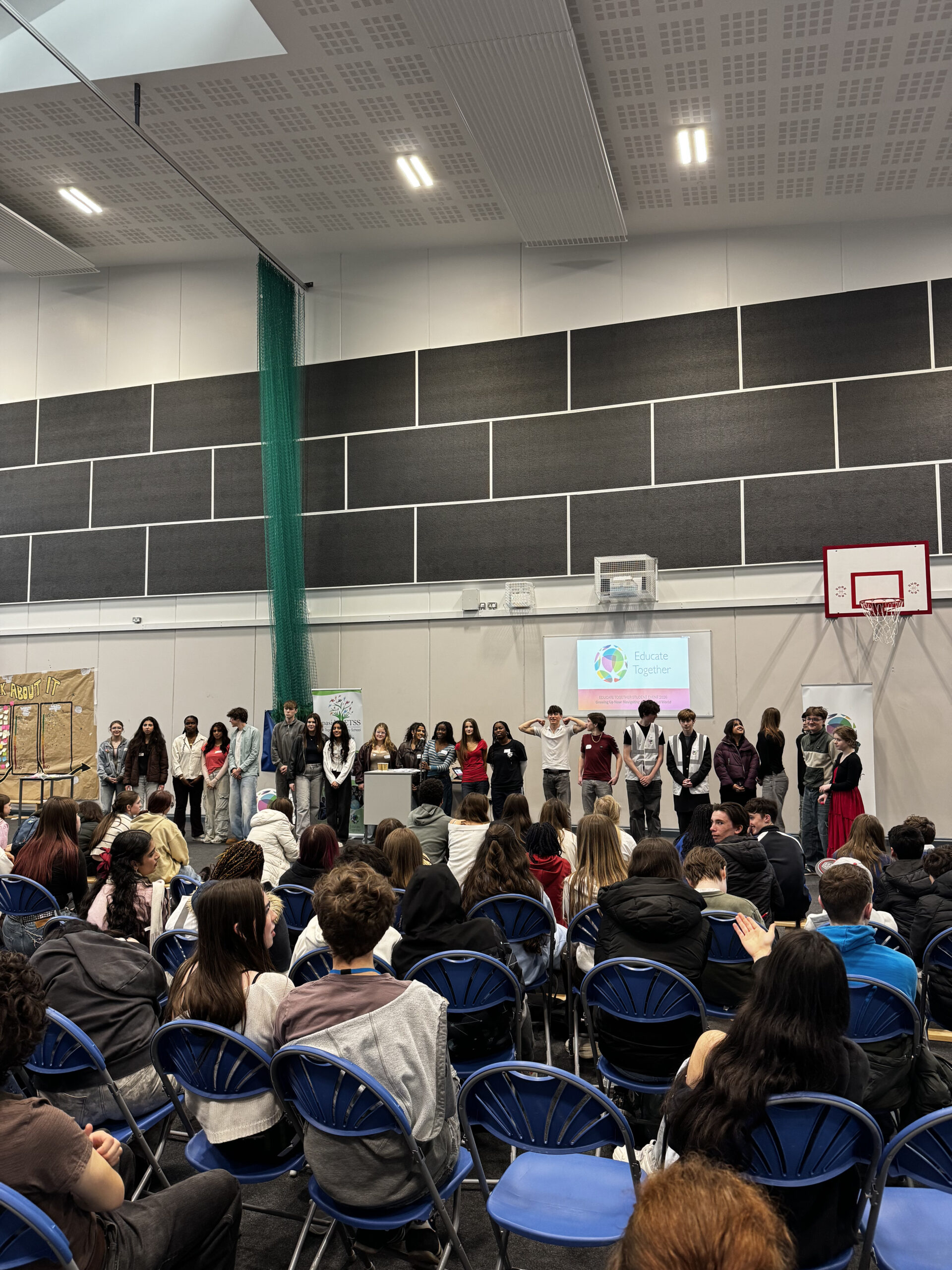
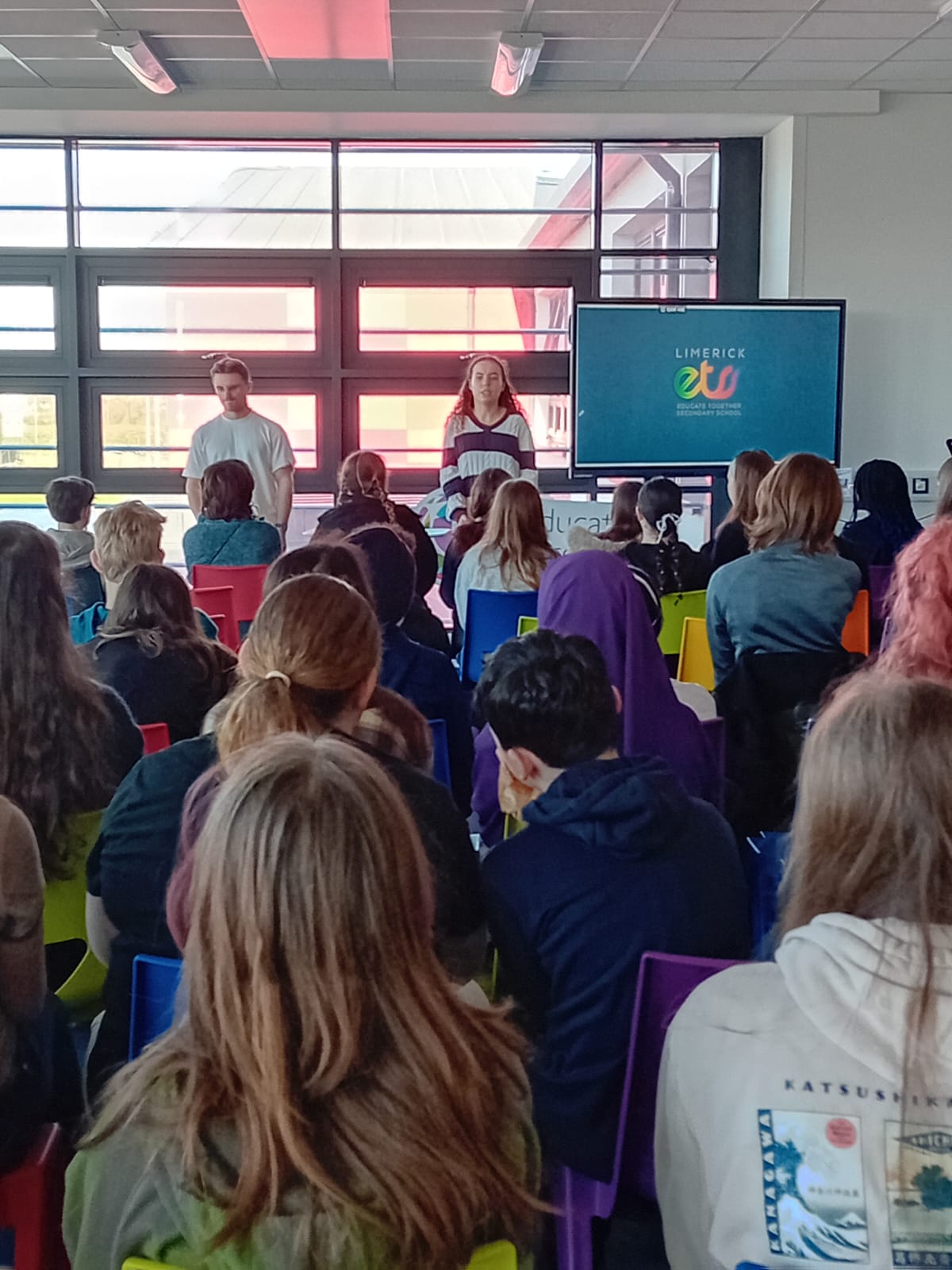
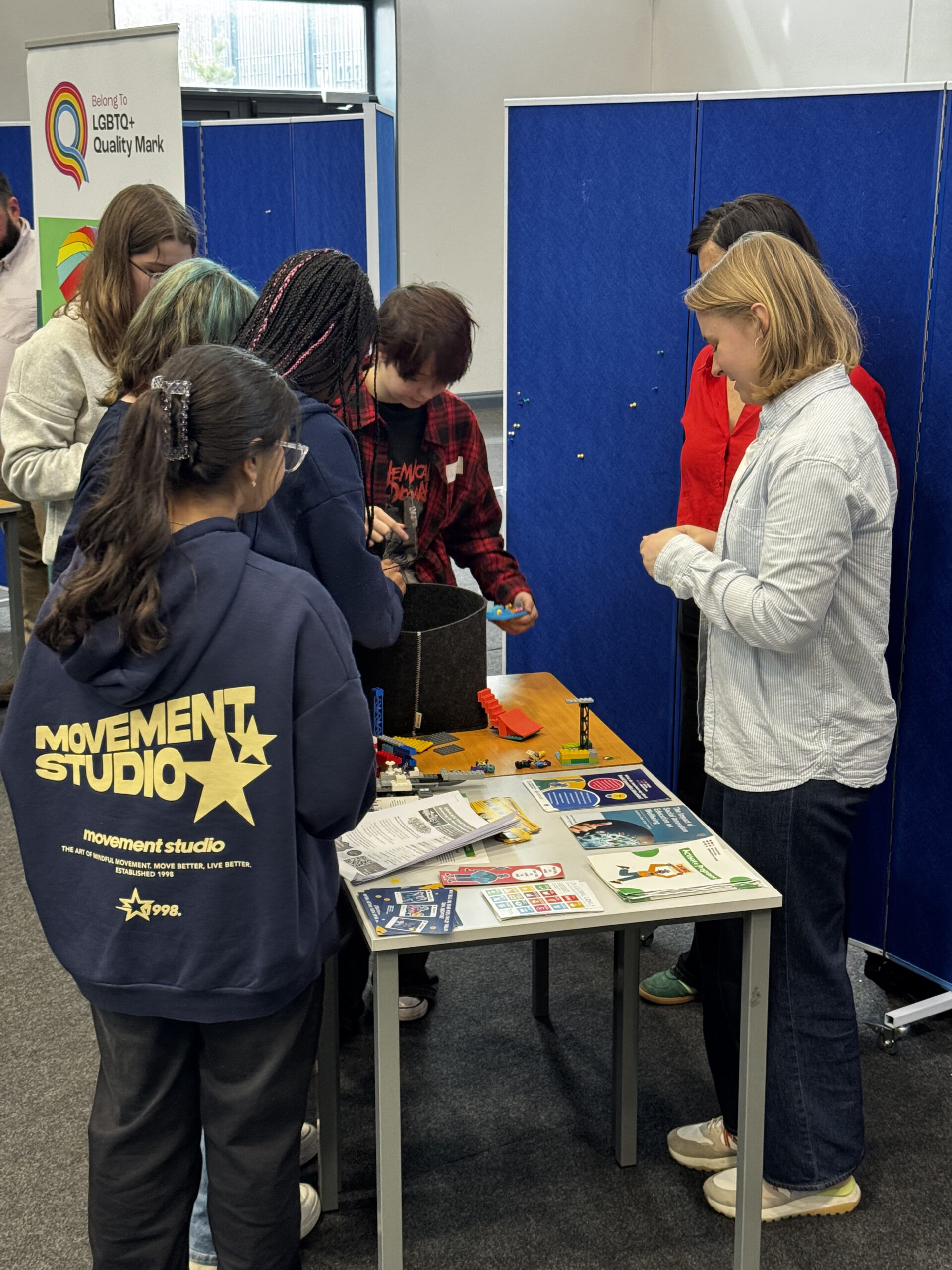
Student Events in Limerick & Dublin: “Growing Up Now: Navigating a Connected World”
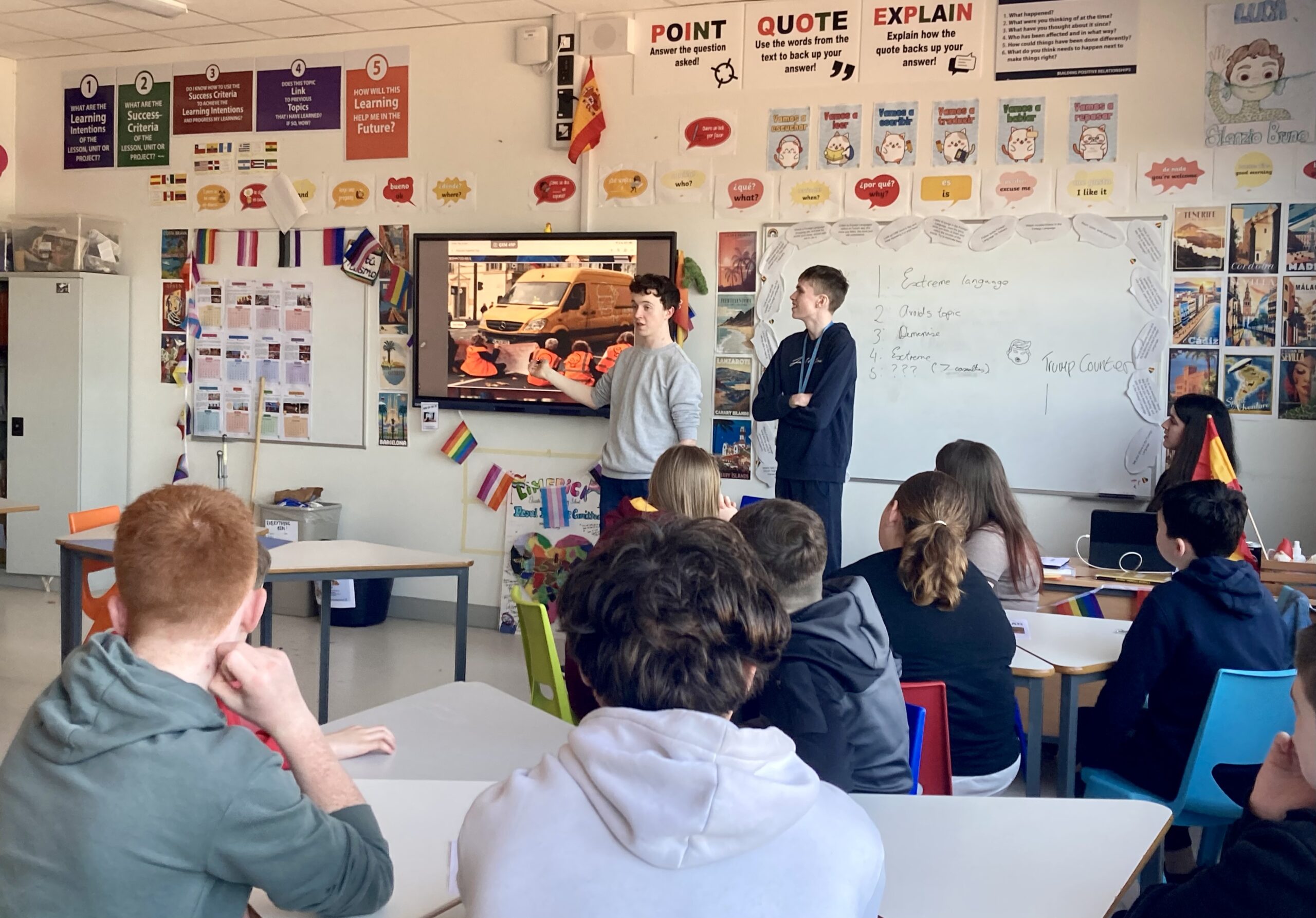
Across two major gatherings—first in Limerick on 19 March 2026, and then in Dublin on 16 April 2026—students from the Educate Together network came together for inspiring, student-led Ethical Education and Global Citizenship Education (GCE) events. Both days were designed and hosted entirely by the Student Advisory Group, with Transition Year students stepping into roles as MCs, media teams, workshop designers, and facilitators.
The theme for this year’s events, “Growing Up Now: Navigating a Connected World,” was chosen by students themselves. It reflects the realities young people are negotiating every day: digital life, global interdependence, identity, wellbeing, and the responsibilities that come with being connected to the wider world.
What Happened on the Day
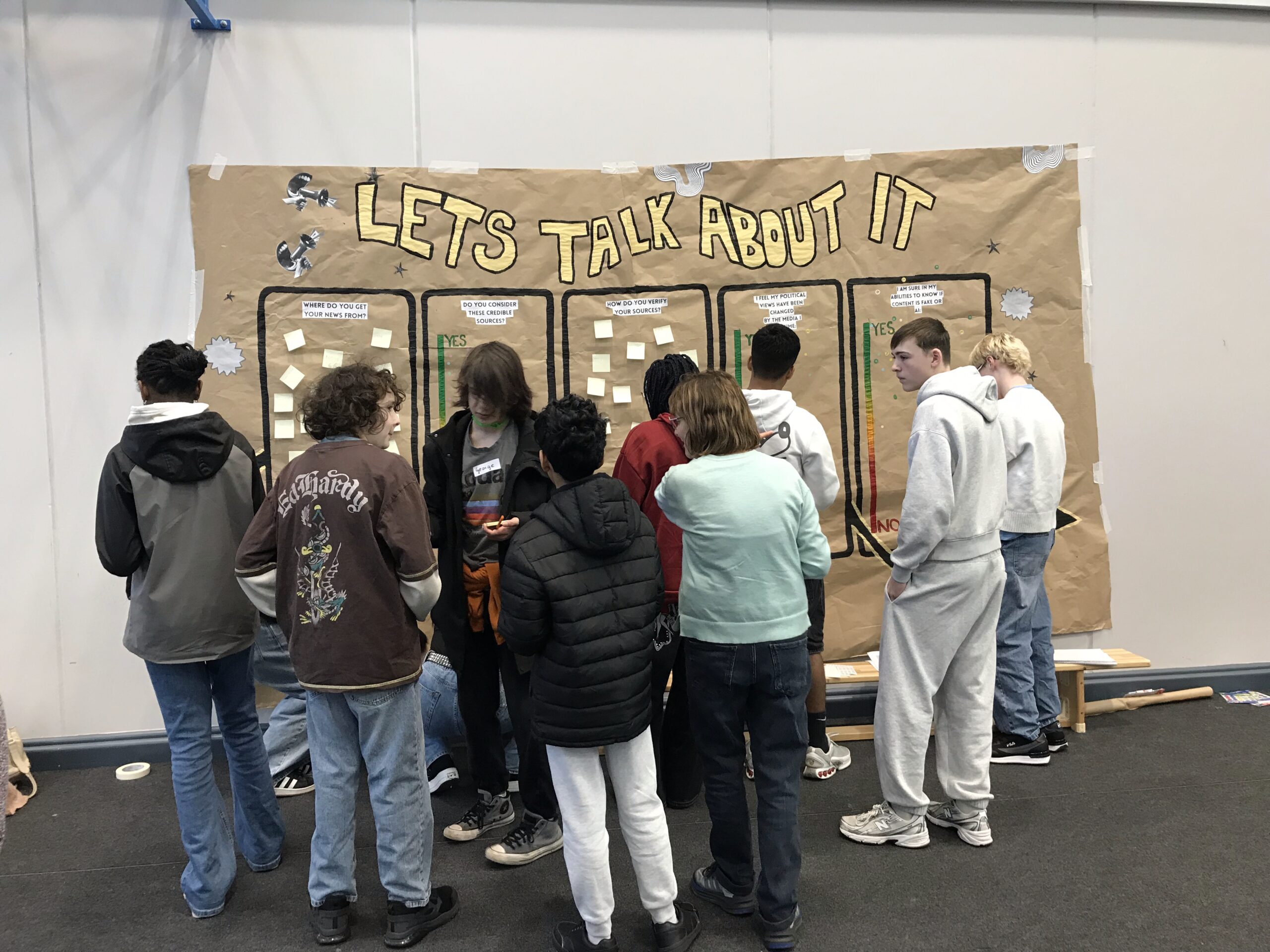
Each event opened with a thought-provoking session facilitated by Alex Wyatt from Global Action Plan, titled “Misinformation and Disinformation: What’s Even Real Anymore?” Students then rotated through a series of student-led workshops exploring ethical dilemmas, global issues, and the skills needed to navigate an increasingly complex world.
Running alongside the workshops was a vibrant Global Citizenship Fair, where students explored themes such as climate justice, interconnectedness, and equality. The fair remained active throughout the day, offering a dynamic space for discussion and creativity.
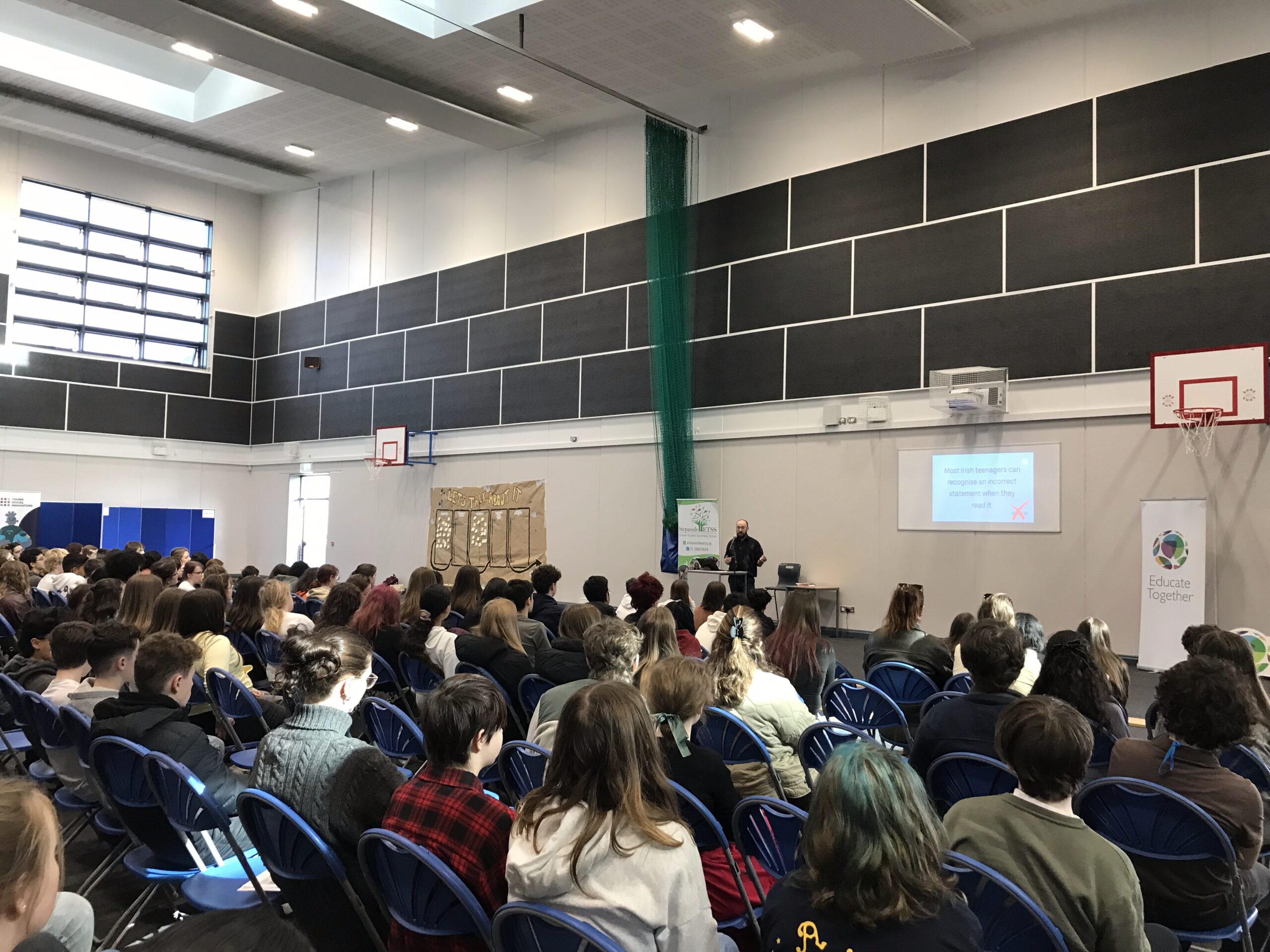
Education Shaped by Second-Level Students
What makes these events especially meaningful is that they are entirely student-driven, supported through the network’s GCE programme and funded by WorldWise Global Schools (Irish Aid). Students shaped the theme, designed the sessions, and led the learning for their peers—modelling the kind of active, critical and compassionate citizenship at the heart of the Educate Together ethos.
The day concluded with an engaging address from CEO Emer Nowlan, who assured students that their insights would feed directly into Educate Together’s contribution to the National Conversation on Education. The Dublin event, hosted at Stepaside ETSS, continued this momentum, showcasing the same creativity, leadership, and insight from students across the network.
Why This Matters
The Student Advisory Group isn’t just an extracurricular activity—it’s a model for what education can be. These students aren’t passive recipients of knowledge; they are co-creators, facilitators, and leaders. They are learning to navigate a complex world not by being told how, but by doing it themselves—with guidance, respect, and real responsibility.
As the Educate Together network looks ahead, one thing is certain: the students are ready. And if the 2025/2026 academic year is any indication, the future of ethical education is in very capable hands.
Are you a senior cycle student in an Educate Together school?
Watch for the next call for nominations to join the Student Advisory Group—and be part of shaping what comes next.