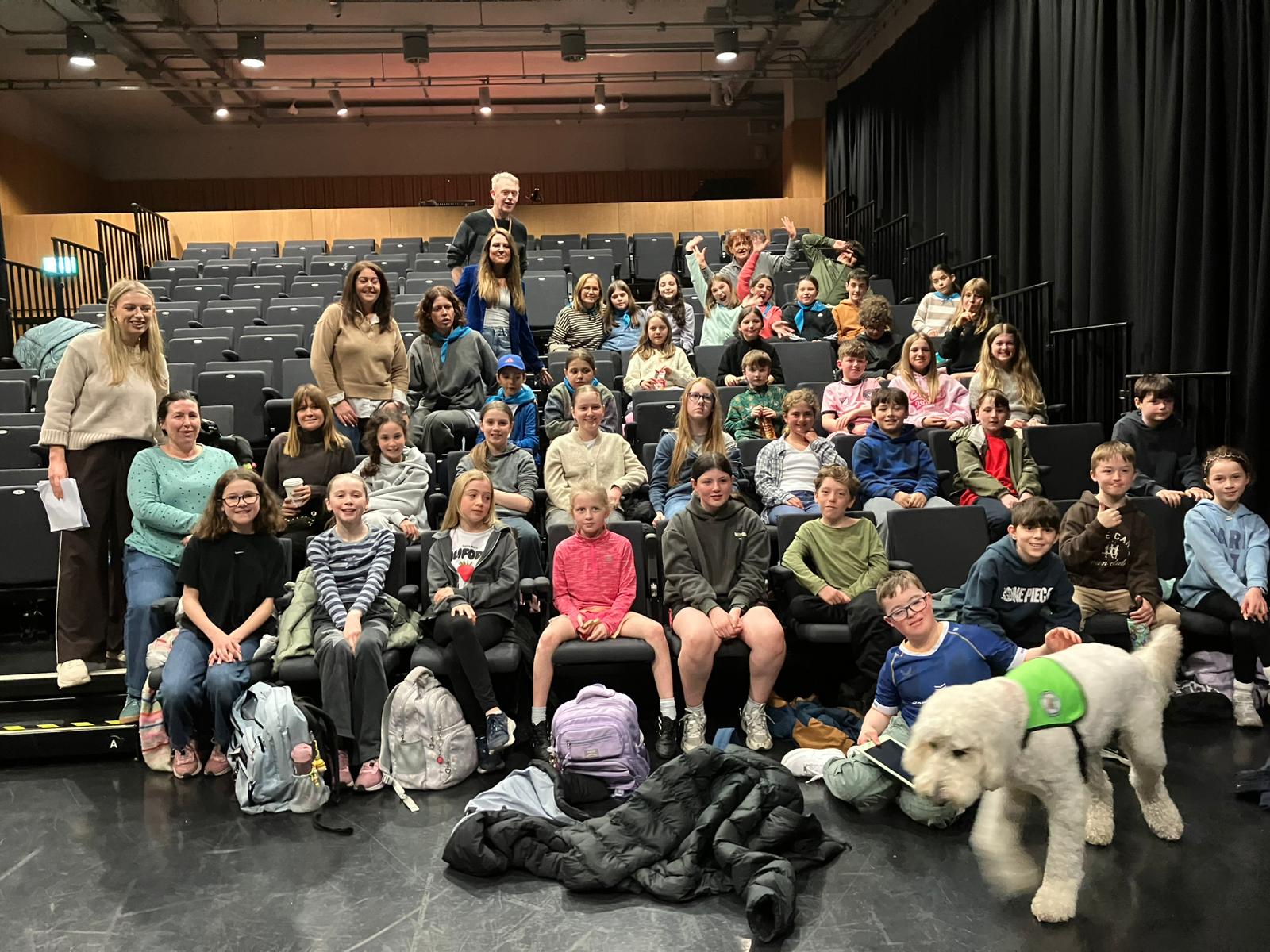
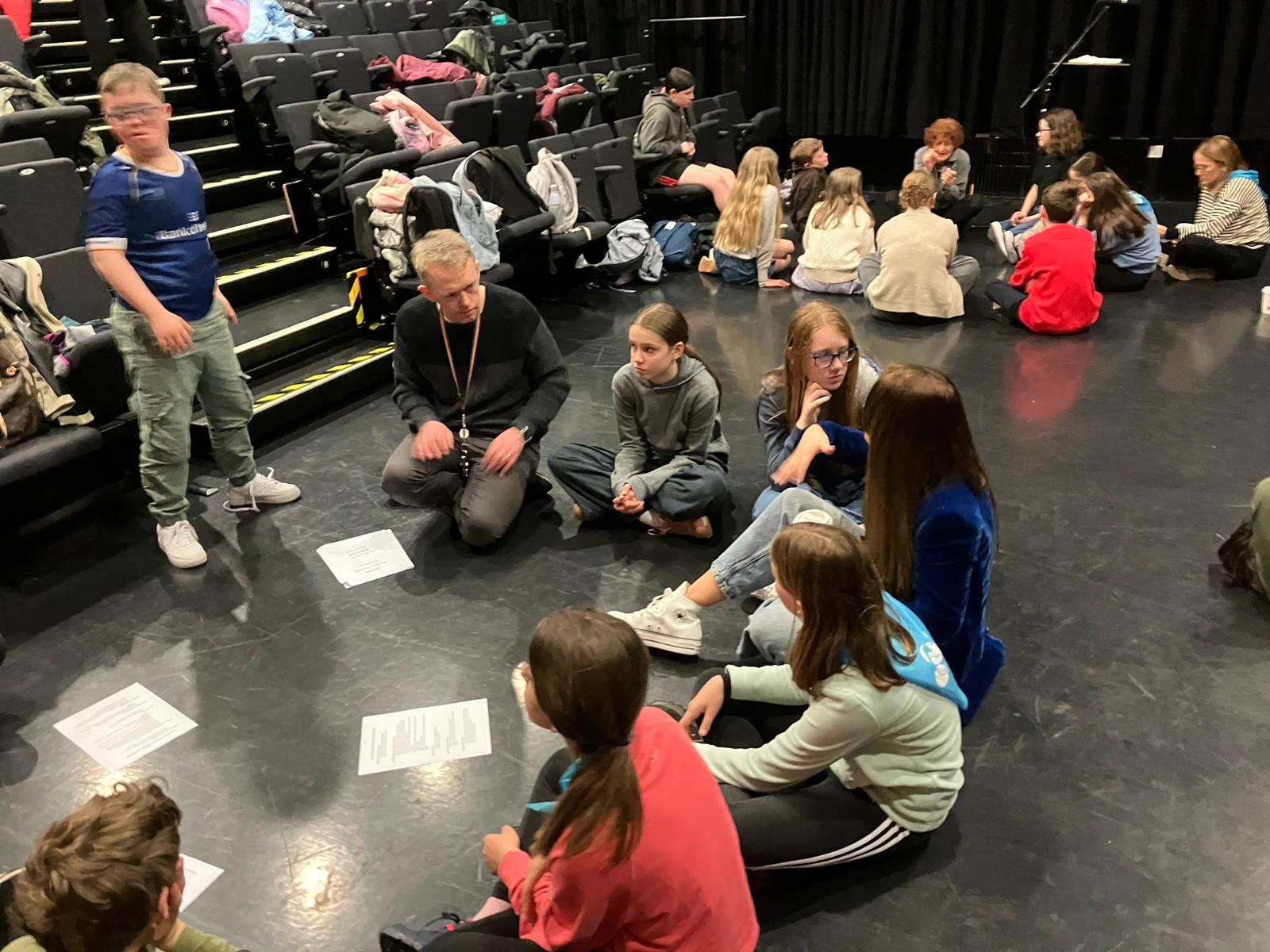
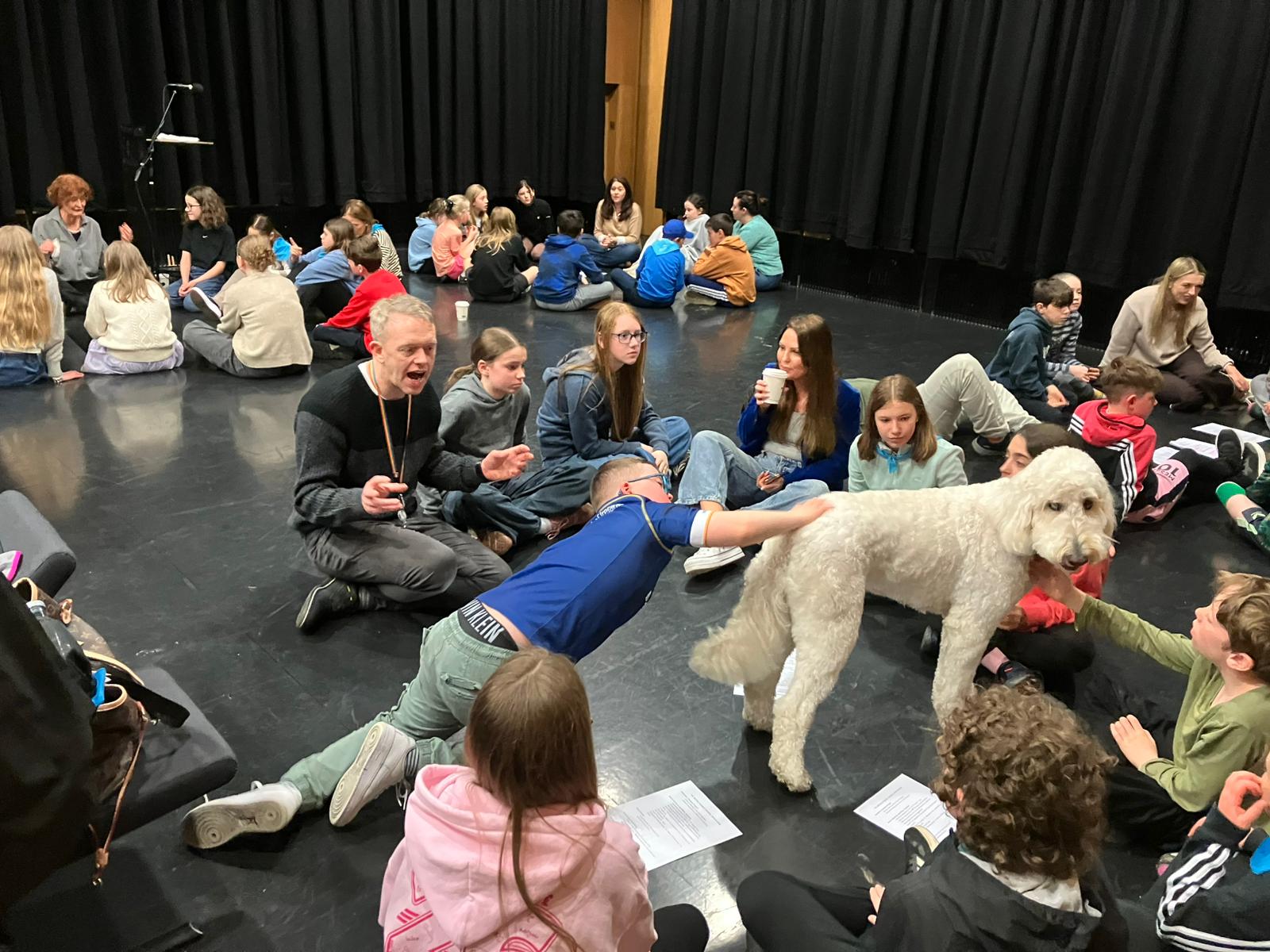
Three Student Councils from Educate Together primary schools, Bray School Project NS, Dalkey School Project NS and Monkstown ETNS, met at the Dún Laoghaire Library to exchange their experiences of student leadership, activism and community contribution. The session also welcomed a group of Erasmus visitors from Palmeiro de Alcañiz, Spain, who joined to learn from the students’ work and offer their own perspectives.
Across the morning, students compared the initiatives they lead in their schools and reflected on the responsibilities that come with representing their peers. They spoke openly about the role of Student Councils in shaping school life, influencing decisions and contributing to their communities. Conversations also turned to their place in society as young citizens, and how everyday actions—from organising events to speaking up on issues—can contribute to equitable and inclusive places. They also recognised that some of their work focuses on fun and community‑building, while other initiatives have a deeper impact on the school and the wider society.
What Students Shared
Student Councils across the three schools are involved in a wide range of initiatives that reflect Educate Together’s commitment to democratically run education:
- Fundraising & Community Support: Students described thoughtful and creative fundraising events; from Valentine’s breakfasts and flea markets to raffles, pyjama days, movie nights and game evenings. These activities support school improvement projects and charities chosen directly by the Student Council, reinforcing students’ role in shaping priorities.
- Ethos & School Culture: Student Councils help build an inclusive, welcoming school environment. Examples included acting as a welcome committee for Relatives’ Day, running the Buddies Programme, celebrating students’ diverse nationalities through the Passport Activity, judging art competitions, collaborating with Green Teams and producing student led podcasts.
- Student Voice & Participation: Structures such as suggestion boxes, student led proposals for new activities and involvement in school policies ensure that students can influence decisions that affect their daily lives, a core element of democratic school culture.
- Activism, Advocacy & Active Citizenship: Students shared concrete examples of taking action on issues that matter to them, such as writing to politicians, creating posters and petitions, participating in Pride Week, joining national conversations such as the SNA protests, and taking collective action to improve their local communities. These activities demonstrate that activism in primary schools can be thoughtful, informed and rooted in real concerns.
Following the meetup, schools expressed interest in developing a wider Student Council Network to stay connected and continue learning from one another. This recognises that adopting a collective approach can make their actions stronger.
We highlight these initiatives because they show what democratically run education looks like in practice. Teachers and school leaders who support Student Councils in a consistent, intentional way play a crucial role in building a culture of participation and sustained, meaningful action, rather than one‑off or symbolic activities. Their guidance helps students move from ideas to collaborative action and ensures that student voice becomes an ongoing, embedded part of school life.
The Dublin meet‑up offered a clear reminder that democratically run education is not simply a principle, it is something students practise daily. Through leadership, dialogue, collaboration and activism, these young people are already shaping the kind of school communities, and wider society, they want to be part of. And teachers play a key role here.
A Timely Conversation
This meet up took place shortly before the Minister for Education and Youth, Hildegarde Naughton, secured Government approval for the agenda of the upcoming Convention on Education. The agenda highlights key questions about the future of education, with explicit attention to themes that schools and students have been raising through the Activism Project and through recent submissions from Student Councils in Kilcolgan ETNS and Griffeen Valley ETNS.
Topics to be explored in future sessions include:
- Children as citizens and active participants in society
- Development of critical thinking skills
- Strong links between schools and their communities
- Democratic participation
- Students’ contribution to sustainable communities
It is encouraging to see national discussions reflect some of the relevant matters that the Educate Together network have been articulating so clearly.