
Primary schools across the Educate Together network are showing that meaningful activism doesn’t belong to grown-ups. When children are given the space, tools, and trust to participate, they don’t just learn about justice and equality; they practise it. From climate action to public policy, pupils are stepping into their roles as active citizens, shaping their communities with confidence, creativity, and compassion.
A Celebration of Student Voice, Leadership, and Meaningful Participation
At Educate Together, we believe that education is a transformative force. As Nelson Mandela reminded us, “Education is the most powerful weapon which you can use to change the world.” Our commitment to an inclusive, equality-based education means nurturing young people who can recognise injustice, challenge discrimination, and contribute to a fairer society. This feels especially urgent in a world facing the climate crisis, wars, polarisation, anti-migrant movements, and persistent inequalities.
For this reason, Global Citizenship Education (GCE) and activism are not optional, they are essential to preparing children to participate meaningfully in their communities and in the wider world.
GCE as a Whole School Lens
With the introduction of the new National Primary Curriculum, GCE becomes a guiding principle across all learning areas. It is no longer a once a week activity, but a lens through which pupils explore mathematics, history, PE, the arts, and more. This aligns naturally with the Learn Together curriculum, which already embeds themes such as environmental ethics, equality and justice, values and ethical perspectives, and belief systems.
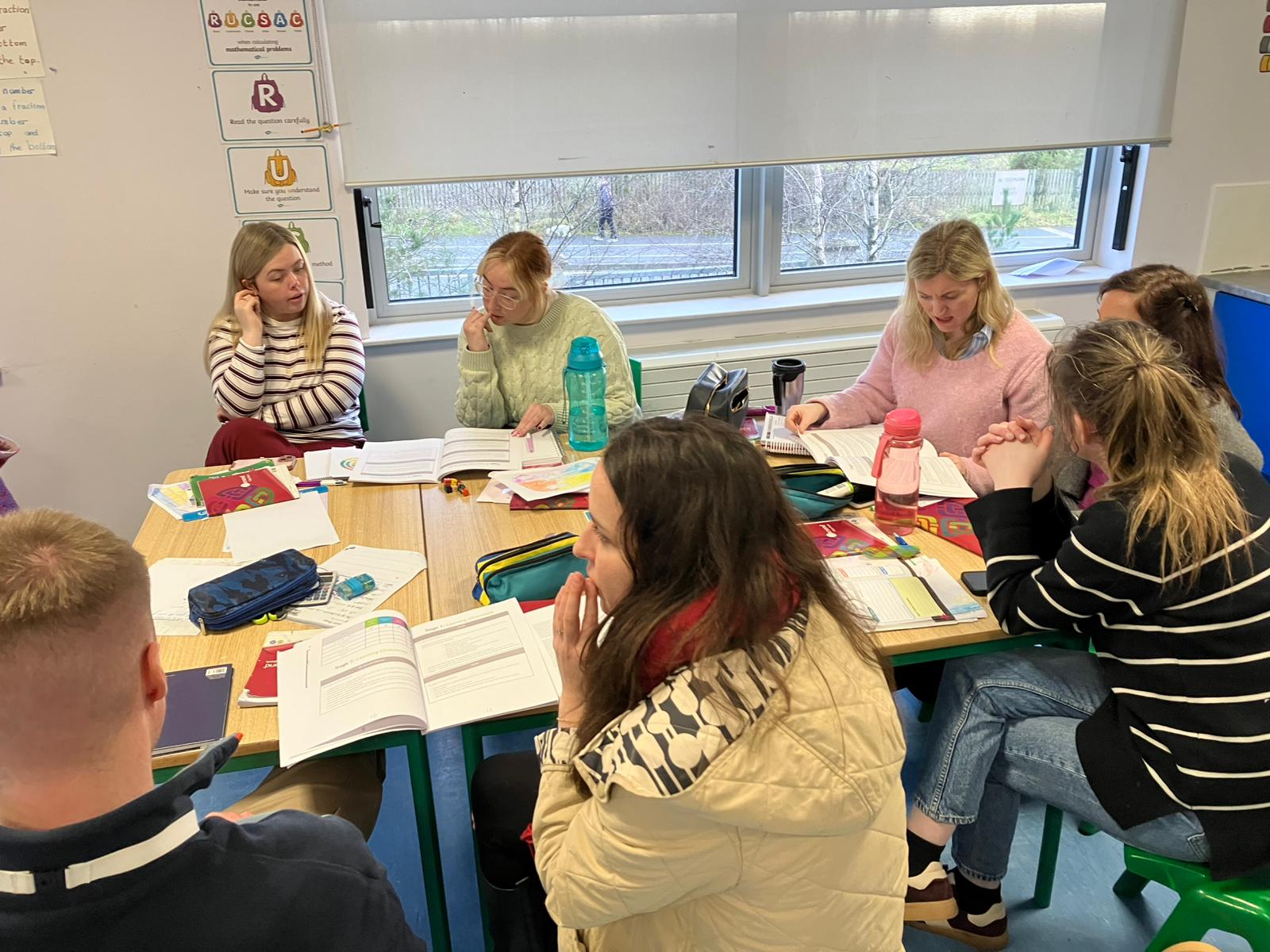
This curricular shift is a positive step for all of us committed to a more just world. At the same time, we recognise that it may feel like an added responsibility for teachers. The Activism Project aims to support schools by building capacity, sharing resources, and creating opportunities for collaboration — always with student participation at the centre.
A Network Strengthened by Collaboration
We are deeply grateful to the many teachers and principals who have shared their experiences and contributed to the project so far: Kevin Conneely (Carrigaline ETNS), Catherine Kavanagh (Carrigaline ETNS), Helen Fahey (Claregalway ETNS), Anna Eagleton (Kilcolgan ETNS), Fiona Joyce (Griffeen Valley ETNS), Rozz Lewis (Portlaoise ETNS), Patricia Ronan (Limerick School Project NS), Alan Bedford (Bray School Project NS), Veronica Ward (Dublin 7 ETNS), Lorraine Gibbons (Castaheany ETNS), and many others across the network.
Their work reminds us that we do not need to reinvent the wheel. Many schools are already leading inspiring initiatives. Our role is to connect these efforts, amplify them, and ensure that student voice remains at the heart of our collective learning.
Students as Changemakers
“Children are not citizens in waiting.” — Audrey Osler
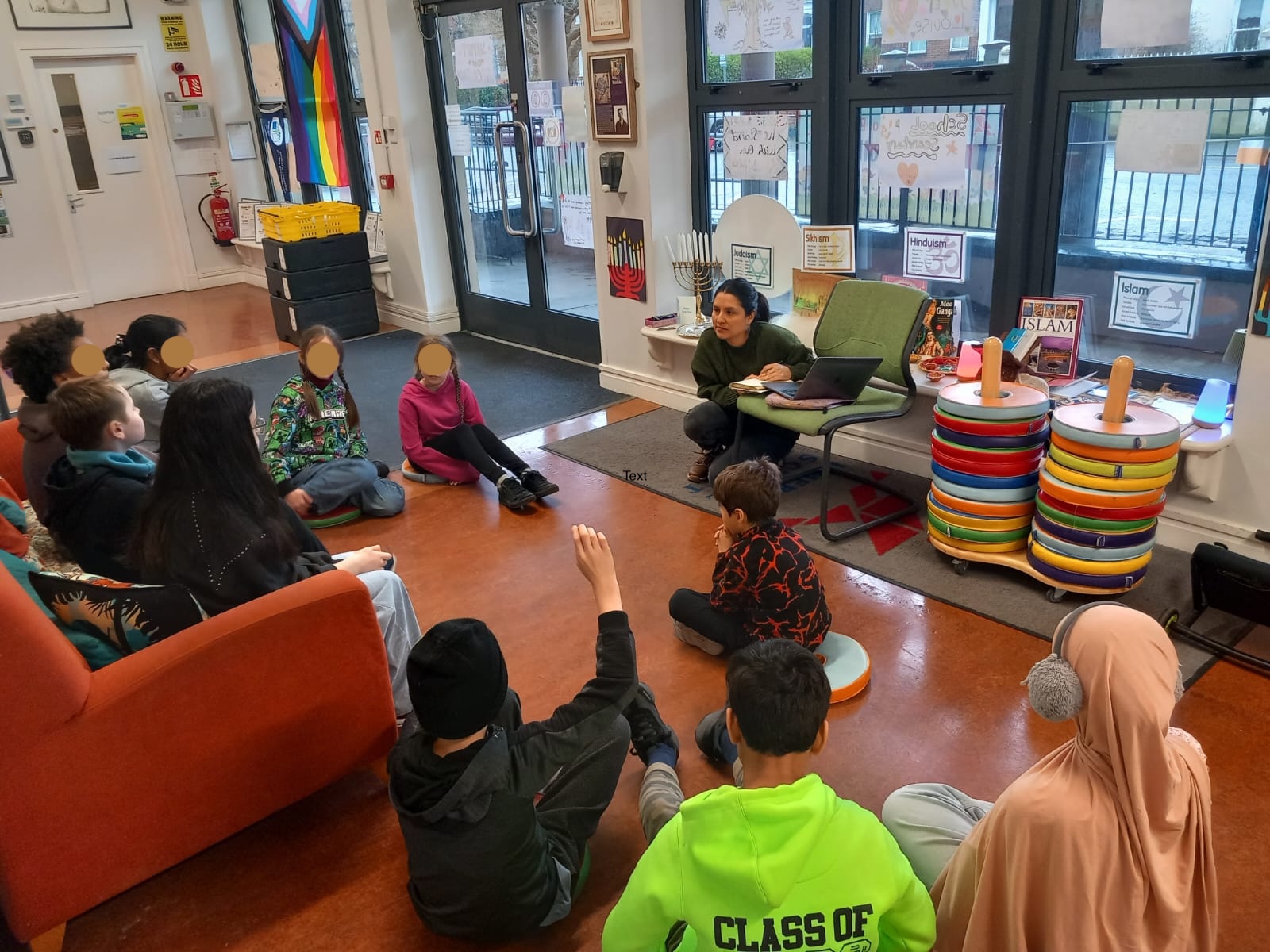
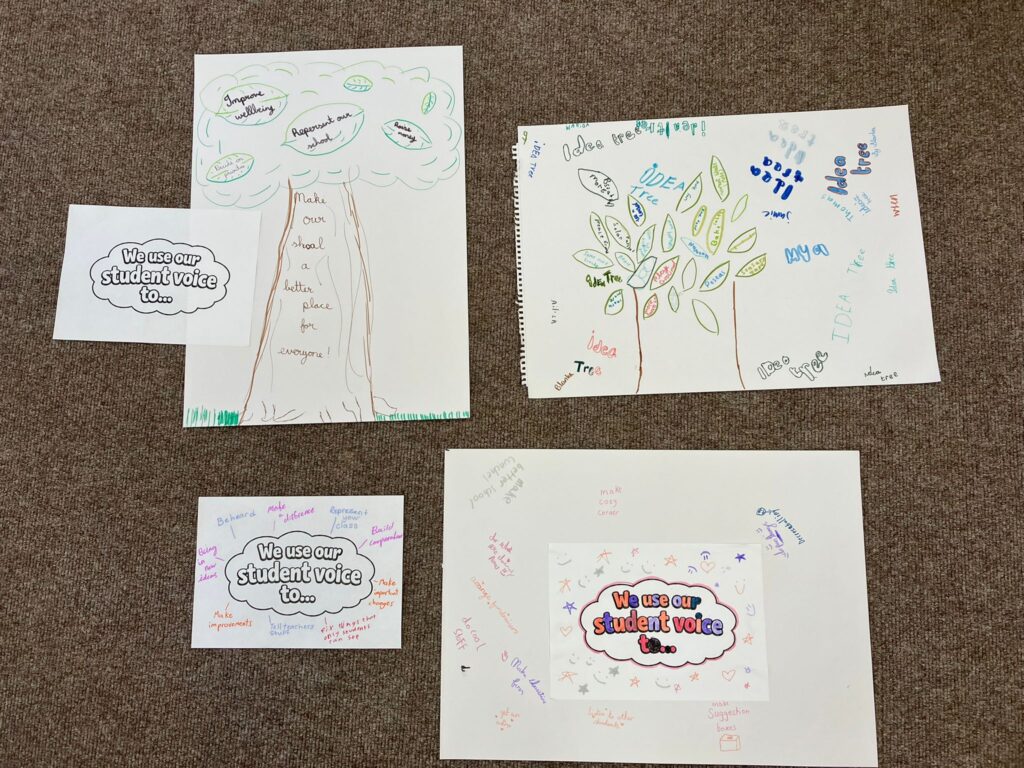
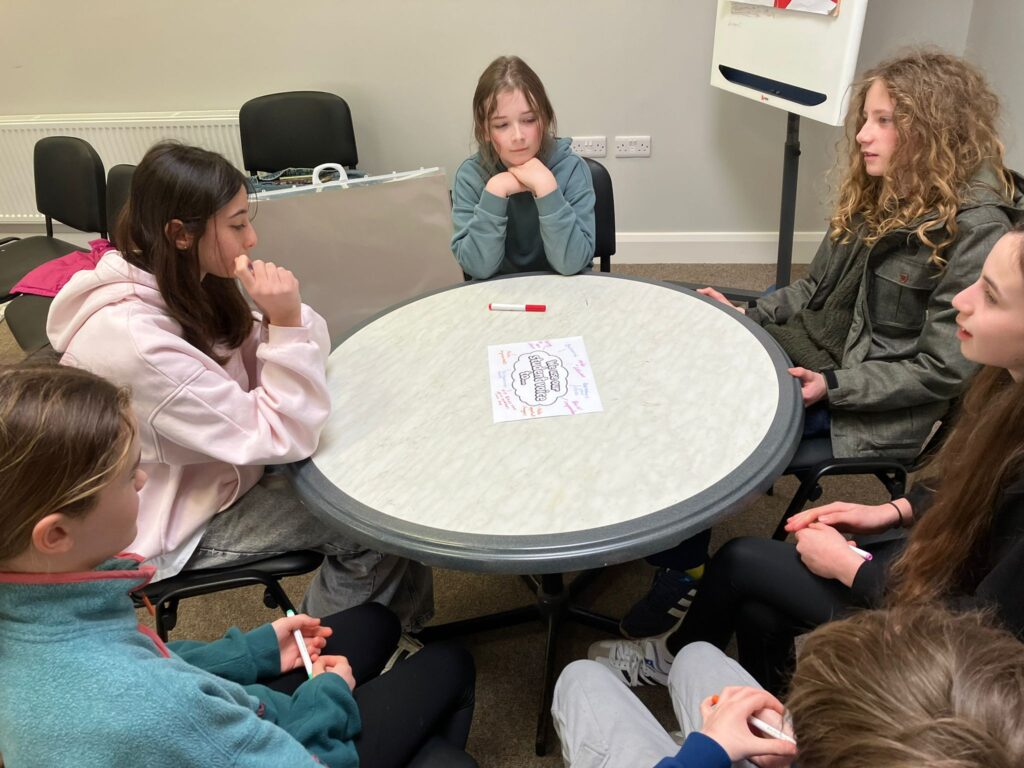
A central aim of the Activism Project is to recognise children as active participants. Throughout the year, we have carried out student consultations to understand how pupils view their role as active citizens and what support they need to take informed, meaningful action.
We met with students from Kilcolgan ETNS, Carrigaline ETNS, Galway ETNS and Limerick School Project NS, to hear their ideas, concerns, and hopes. These conversations are informing the development of new resources designed to strengthen studentled activism. Pupils told us clearly: they want to lead, they want to contribute, and they want adults to listen.
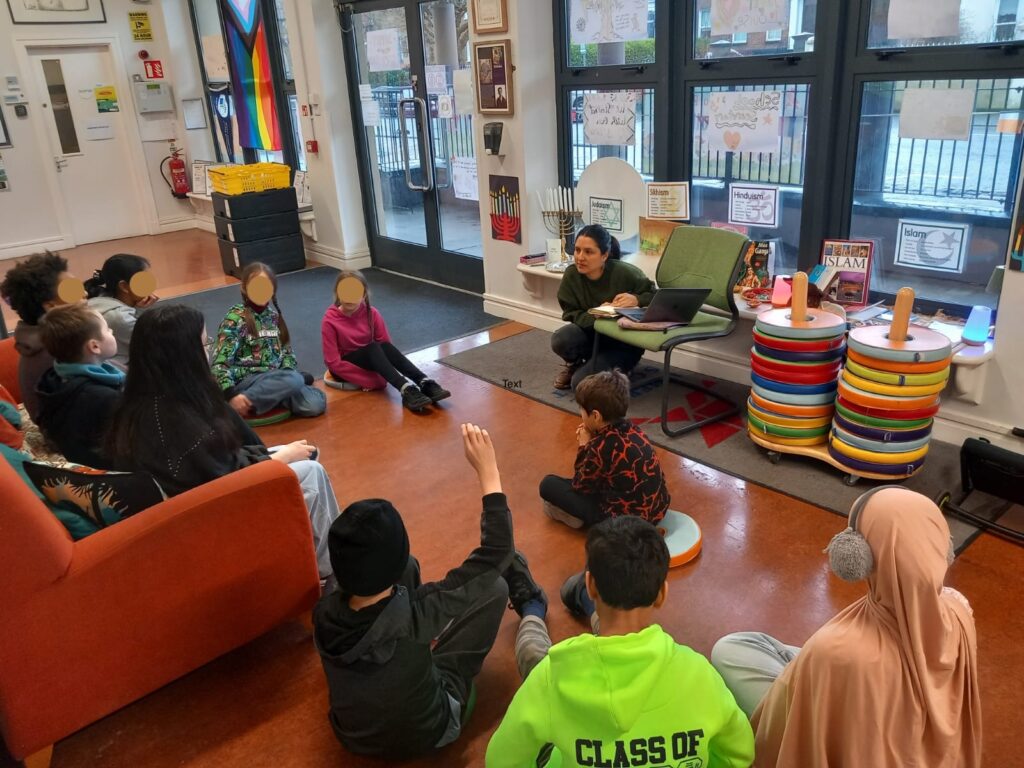
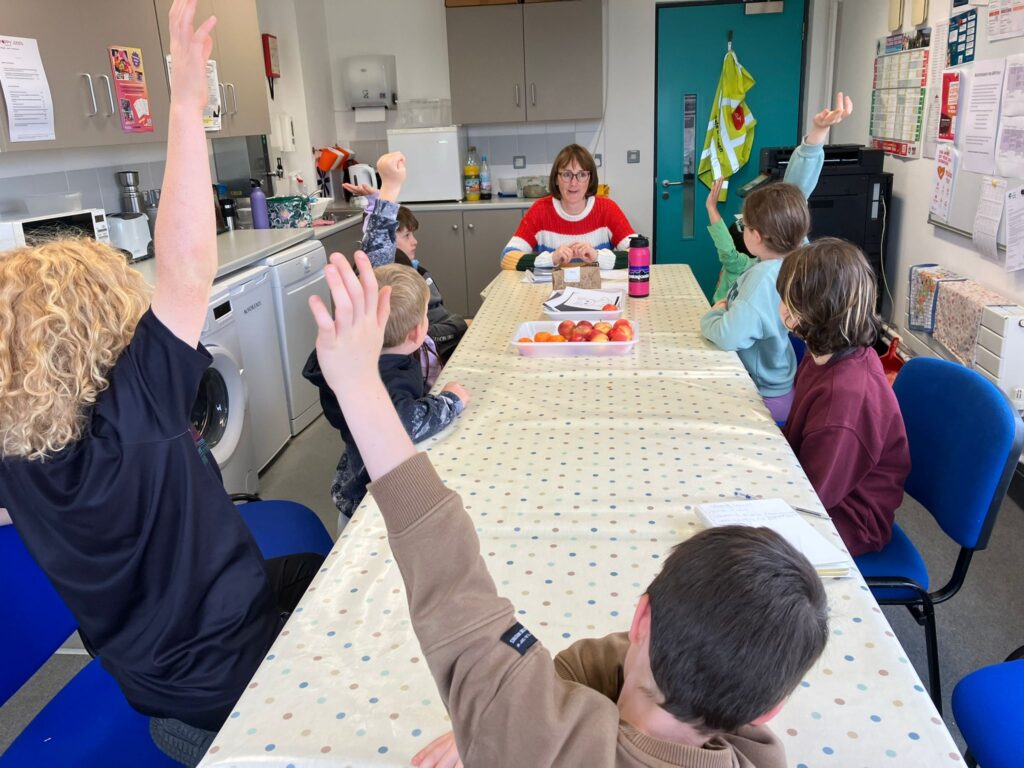
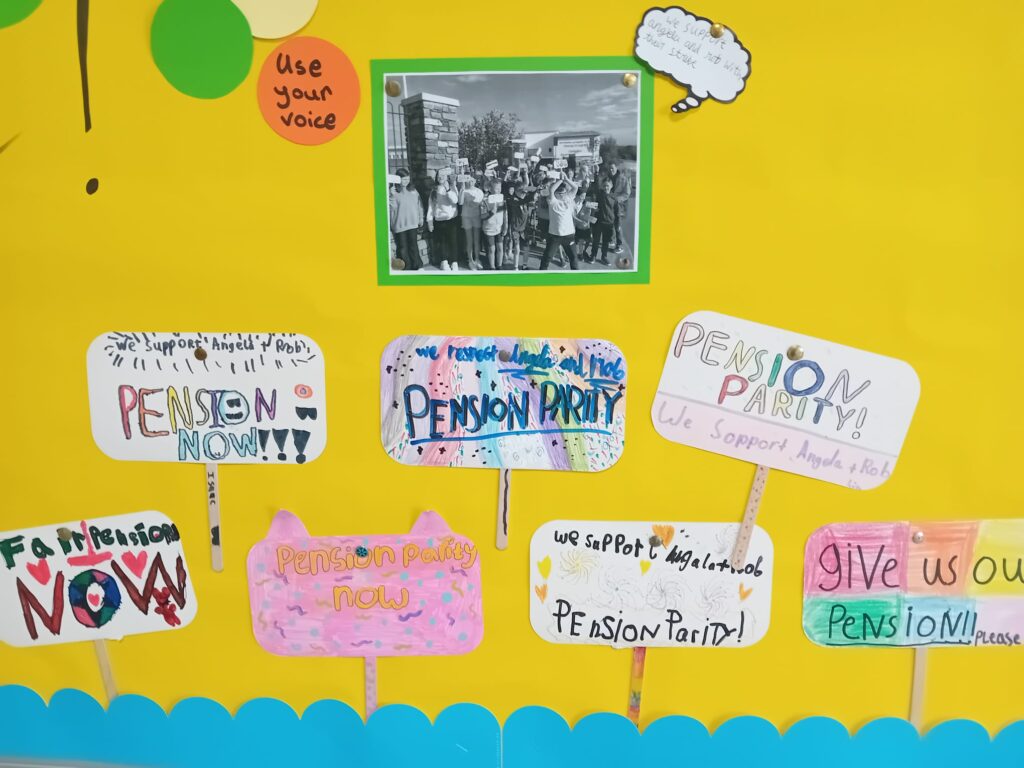
We also worked with two schools, Kilcolgan ETNS and Griffeen Valley ETNS, to cocreate student submissions for the National Conversation on Education. These were not simply exercises in civic literacy — they were genuine participatory processes involving pupils from all classes, shaping their vision for the future of education in Ireland.
Climate Justice Through Student Leadership
“The climate crisis is not a crisis of emissions, it’s a crisis of injustice… it must be healed by the people.” — Saoi O’Connor, Young Irish Activist
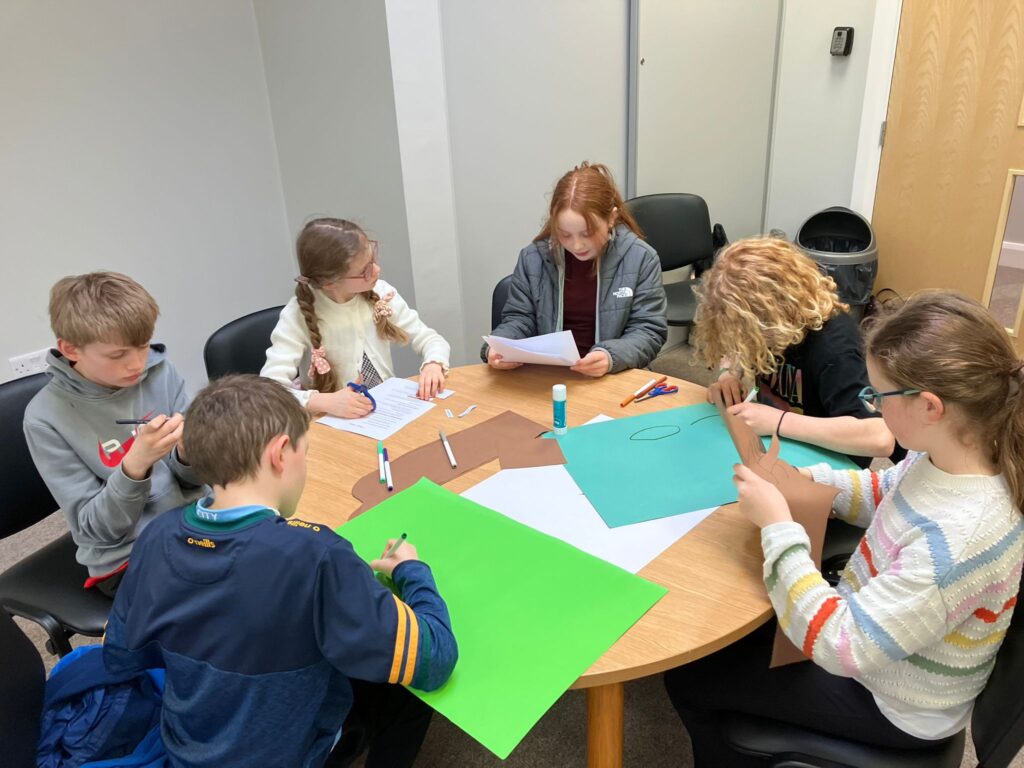
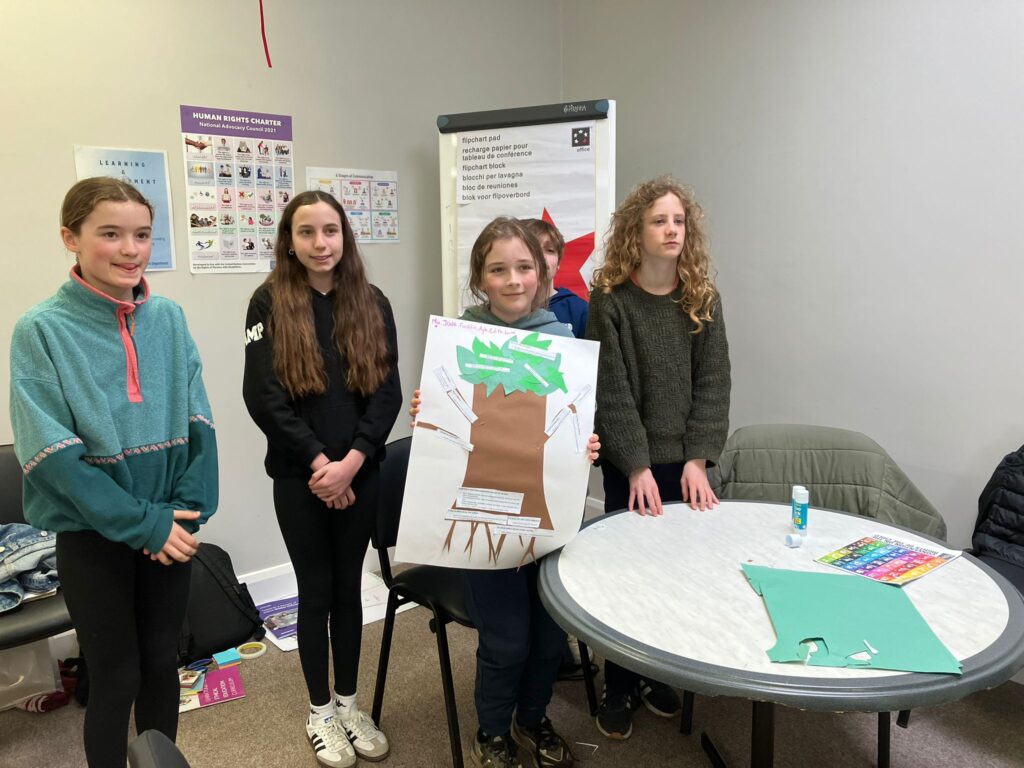
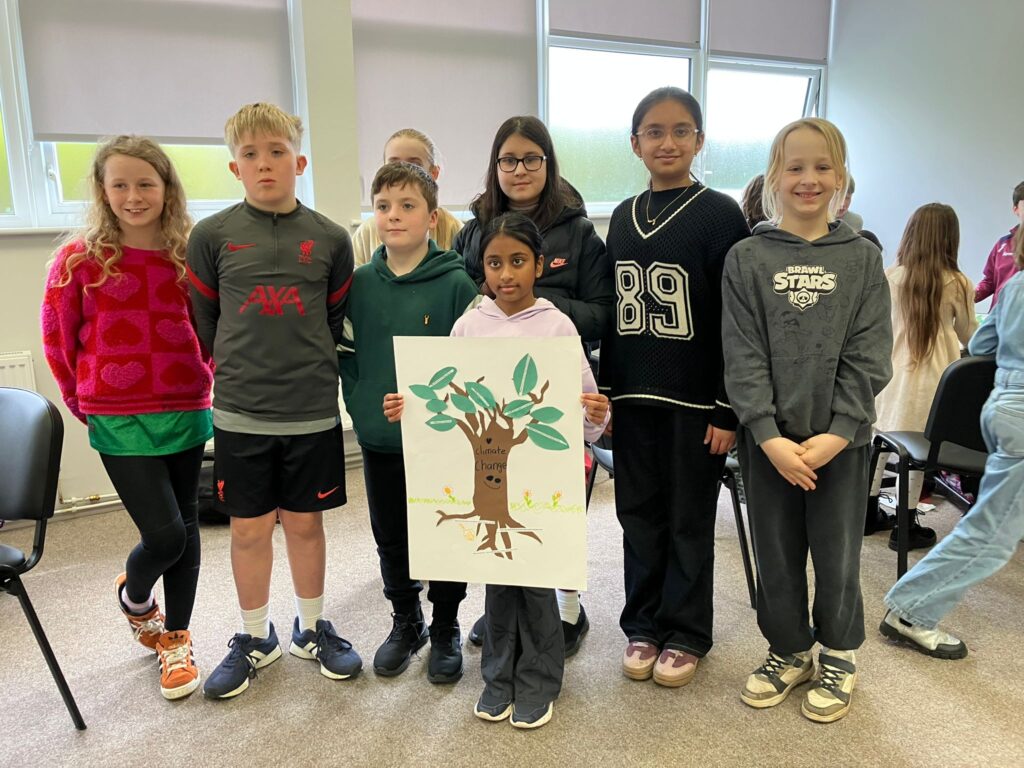
Climate justice has been a recurring theme in our work with pupils. In response to their interest and concerns, we developed the Problem–Solution Tree, now available in the Activism Resource Bank. This tool helps pupils explore the root causes and consequences of climate change and identify informed, meaningful actions they can take.
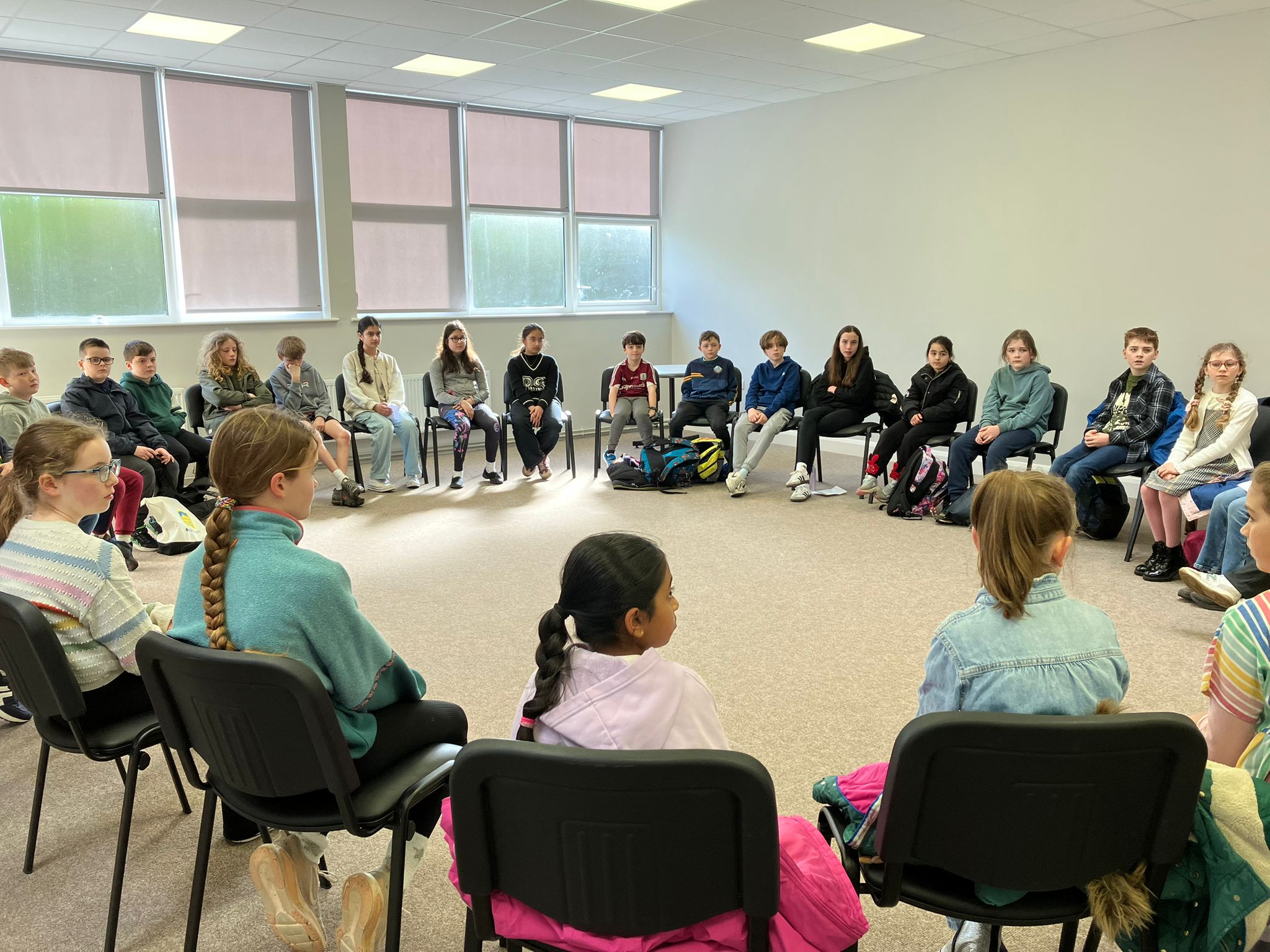
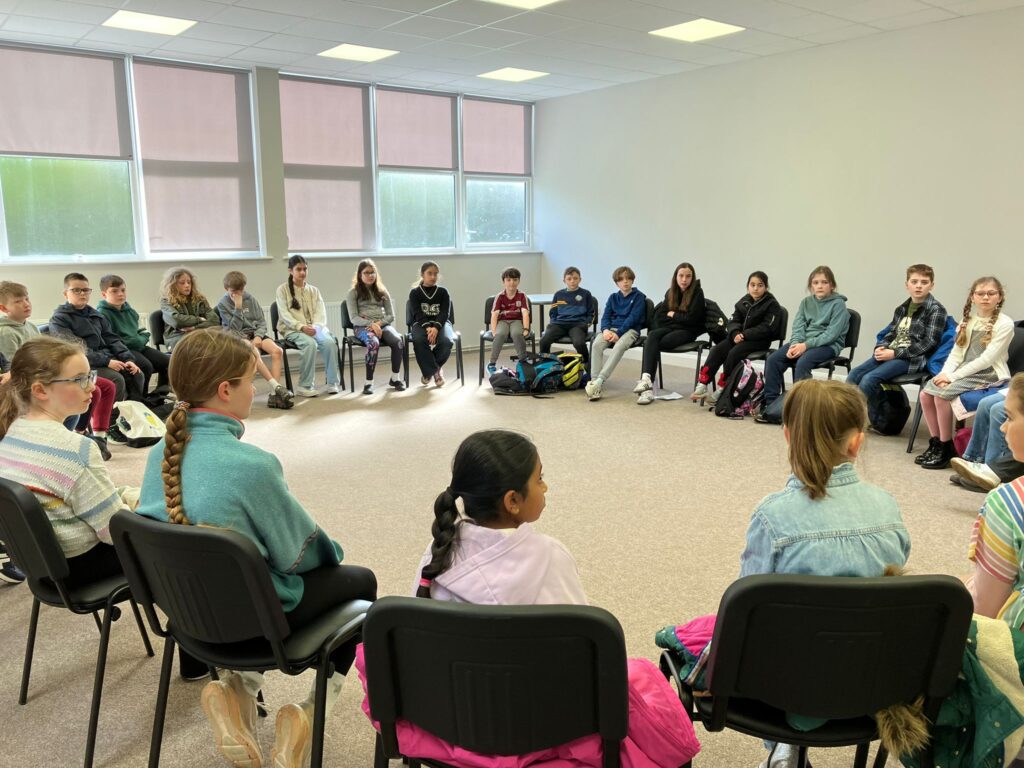
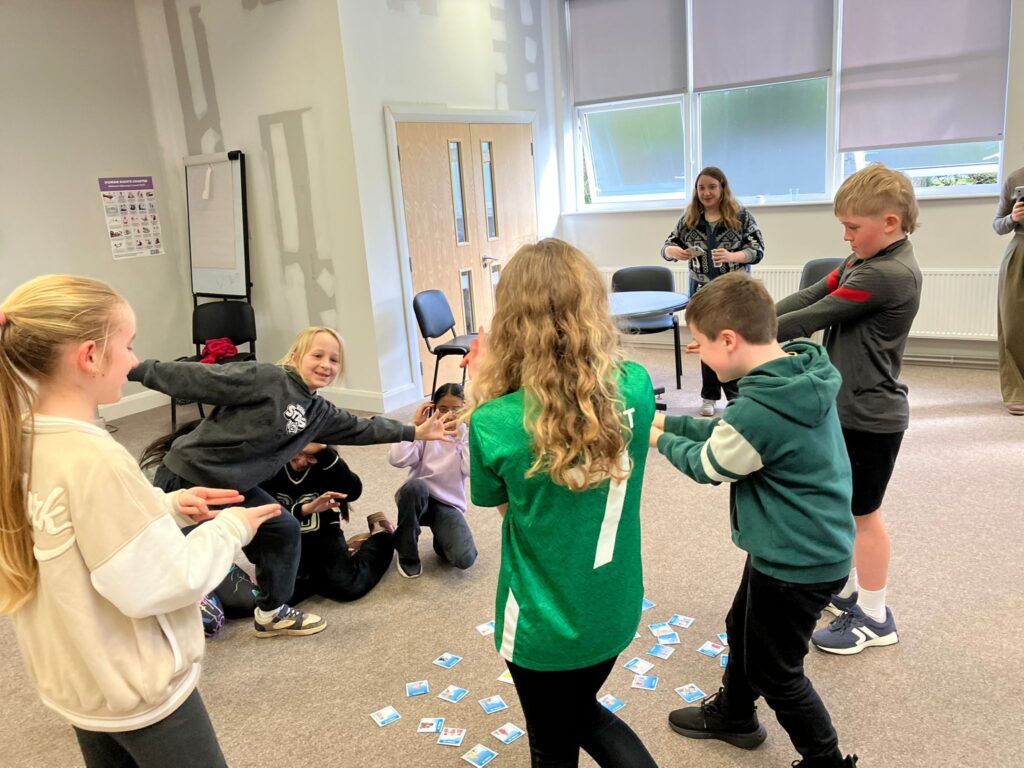
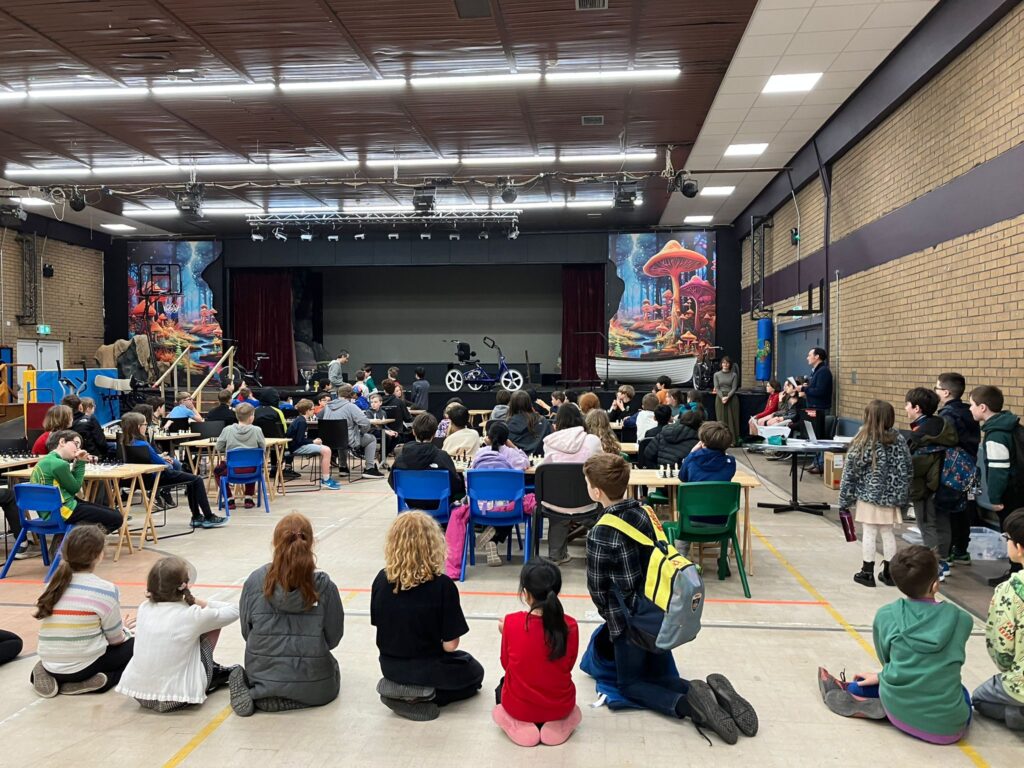
During a Student Council meeting in Co. Galway, nearly 30 pupils from four ETNS schools (Tuam, Kilcolgan, Claregalway and Knocknacarra) created their own Problem–Solution Trees. The activity sparked thoughtful discussion, debate, and collective decision-making — a clear example of student participation in action.
Celebrating Student-Led Activism
“No one is too young to make a difference.” — Flossie Donnelly, Irish Young Activist
One of the standout initiatives this year has been the Toy Swap led by pupils in Claregalway ETNS. Many schools run similar swaps — costumes, books, jumpers — but this case stood out because pupils themselves documented the process, reflected on their learnings and roles.
The case study includes an analysis of five key elements that distinguish meaningful activism from charity-based approaches, helping schools deepen their understanding of student-led action.
As this project continues, one message has come through repeatedly: pupils are ready to lead. They have ideas, they have questions, and they have a deep sense of fairness that drives them to act. Our responsibility is to listen, to guide, and to create the conditions where their participation can flourish. If we want a more just, sustainable, and inclusive world, we must recognise what our students already know — that change begins with them.